
Supporting toddlers for safe, natural and comfortable walking
Those first steps are truly special moments. They're beautiful, touching… and yes, they can be a little stressful. Your baby is starting to explore the world, and there are no longer any real limits. That's precisely why we need to make the entire living environment "babyproof."
In this article, I offer you concrete strategies, based on recognized recommendations in occupational therapy, to support your mini adventurer in this big step.
Comfort first: clothes that support movement
Loose-fitting clothing adapted to motor development
Moving freely is essential. Nobody likes to squat in tight jeans; not even a baby. Walking requires large movements, frequent transitions on the ground, falls, and getting back up. Nothing should impede your momentum.
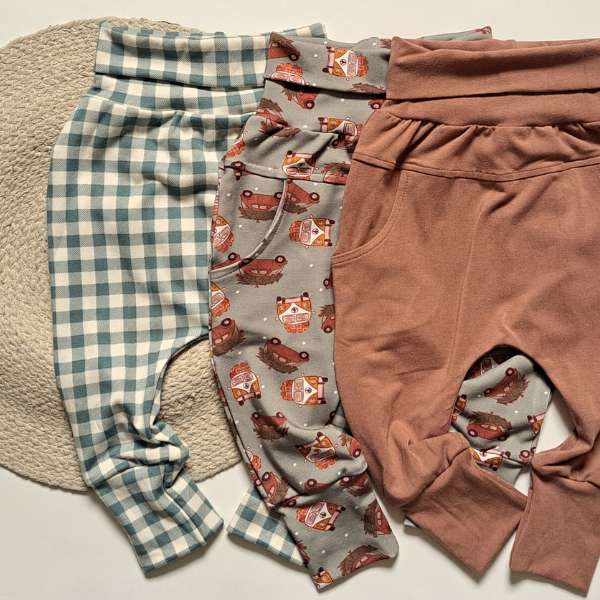
- Adjustable pants are an excellent option. They adapt to growth while offering complete freedom of movement.
- The Comfort and Essential models are particularly interesting: roomy at the hips and perfect for large movements.
- In summer, lightweight leggings or short shorts are very suitable.
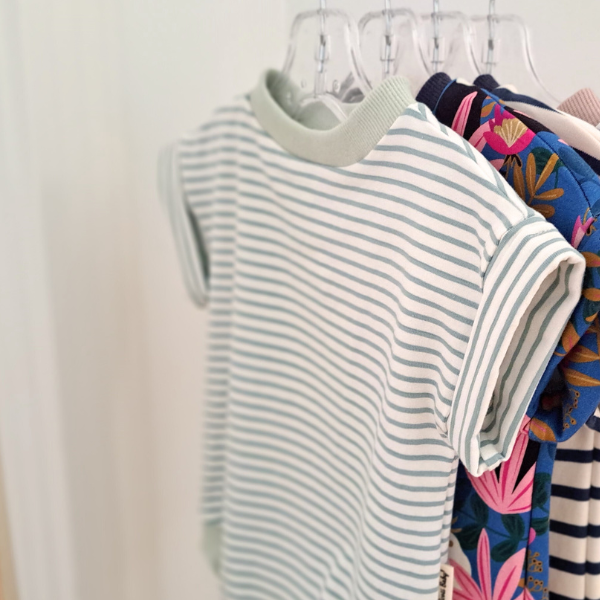
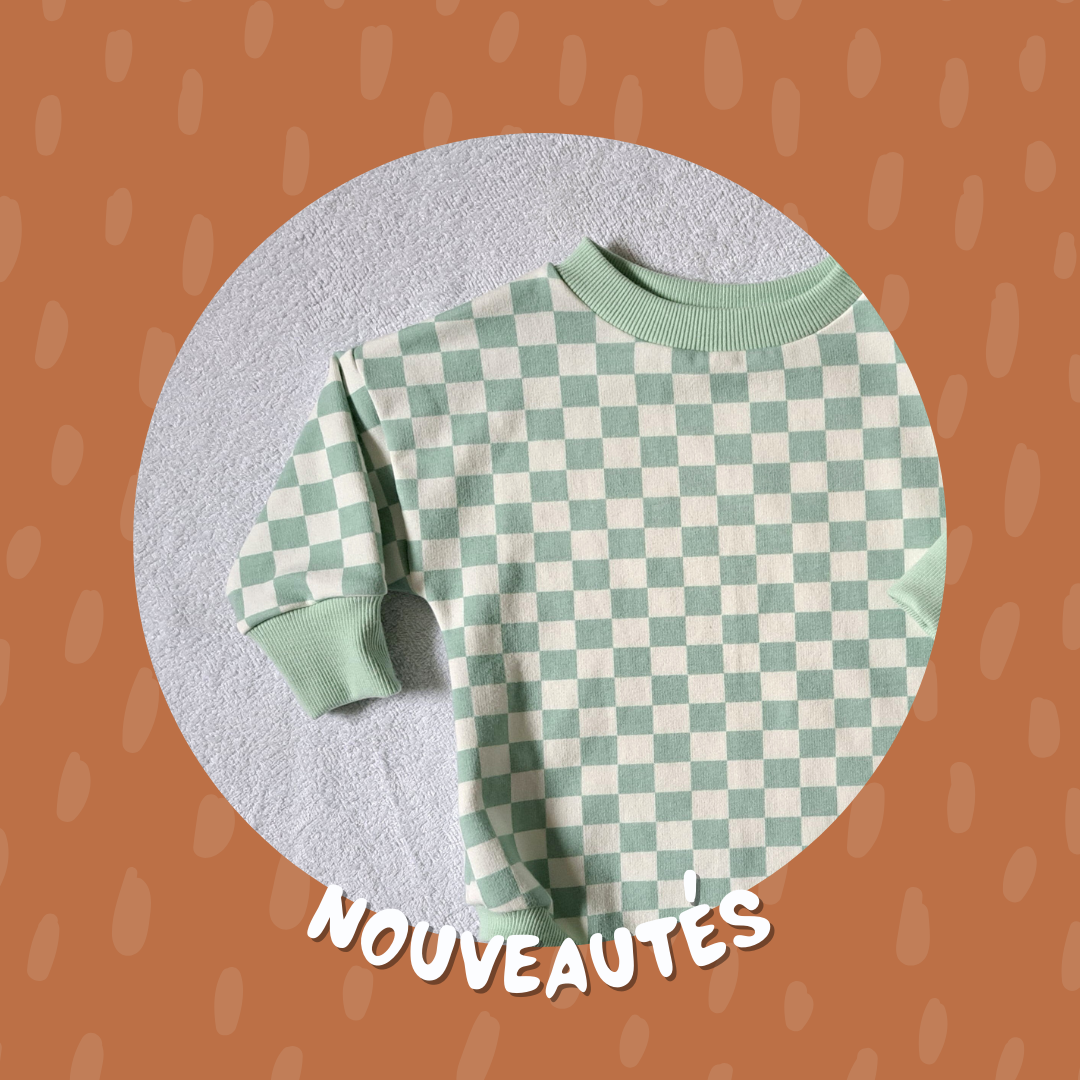
- For the top, a soft sweater or bodysuit is preferred, such as the Bodysuits , whose loose cut promotes arm movement.
Soft and stretchy fabrics
A rigid fabric restricts, while a flexible fabric releases.
Focus on fibers such as:
- cotton,
- Bamboo rayon, OEKO-TEX certified,
- lyocell.
These primarily plant-based fibers, used in Ticoti Baby clothing, are soft, breathable, and extremely comfortable for developing babies. They allow the body to move freely while preventing irritation.
A safe and stimulating exploration environment
Let your child practice as often as possible.
Learning to walk relies on repetition and initiative.
Some essential principles:
- Let your child get up, fall down, and start again.
- Avoid making him walk while holding his hands: it alters his natural balance and body awareness.
- Create a clear space: non-slip mat, stable furniture, no small objects lying around.
We say no to walkers
Professionals are unanimous: traditional walkers increase the risk of falls and can delay certain motor developments. Natural support points or a stable object to push (basket, small heavy chair) are preferred.
Safety: anticipating falls and new skills
Falls are part of development, and so are scratches.
To avoid the worst:
- no clothing with cords or dangling elements;
- watch out for small steps, table edges, and low furniture;
- Accept that your little one will climb onto a bench, a step, gradually everywhere.
A well-designed environment allows exploration without restricting it. The goal is not to limit, but to provide intelligent guidance .
Barefoot or shoes? The truly best practices
Barefoot: the best choice for learning to walk
Occupational therapists and pediatricians repeat it: walking barefoot stimulates the muscles of the foot, improves balance and strengthens proprioception.
Indoors (and even outdoors when it's safe and the weather is mild), it's the ideal option. Varying surfaces like grass, carpet, hardwood, and concrete further enrich learning, as the textures allow for strong sensory connections.
Choosing the right first shoes
When it comes time to buy shoes:
- Choose models that are soft, lightweight and flexible.
- The shoe should protect, not stiffen.
- The ankle should be free, not compressed.
- Avoid thick soles: they reduce sensory information.
For a first pair of shoes, a visit to a specialist shop is recommended. Every baby has a different foot shape: wider feet, rounder ankles, or asymmetrical shoe sizes. A specialist will be able to measure and suggest a truly suitable shoe.
With these simple tips, you're now ready to support your little treasure's first steps! Keep in mind that there are no hard and fast rules; every child is unique, so observe, listen, and choose what works best for your mini adventurer.
With comfortable, safe and practical clothing, you will make this step even more memorable for the whole family!
Sources: